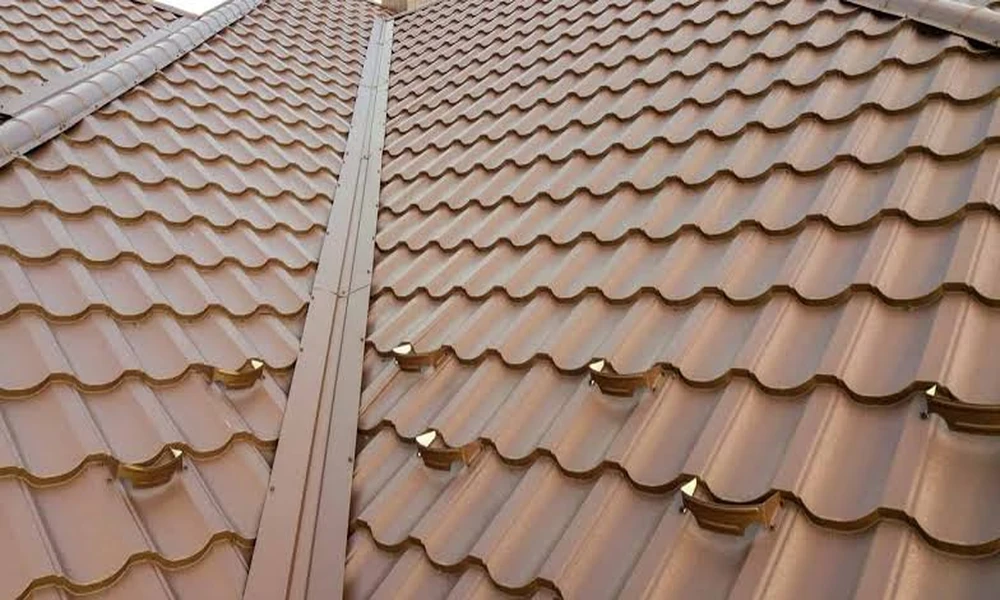

Most homeowners think of the roof as the shingles you can see from the street. The part that often determines how long those shingles last is the space underneath: the attic. Heat, moisture and escaping indoor air all collect there, and when they are not managed, they quietly shorten the life of the roof, raise energy bills and invite mold. A Winston-Salem roofing company that looks at the roof and the attic together can spot problems that a surface-only inspection would miss. This guide explains how the attic affects the roof, how ventilation, insulation and air sealing work together, and what to check.
The Attic Is Part of the Roof System
A roof is more than a layer of shingles. It is a system made up of the roof covering, underlayment, decking, framing, insulation, ventilation and the air barrier between the house and the attic. If one piece underperforms, the others suffer.
The Piedmont region’s climate makes this especially relevant. Summers are hot and humid, with attic temperatures that can climb far above the outdoor air temperature. Winters are mild compared with northern states, but cold snaps, freezing rain and temperature swings still happen. Moisture is a year-round factor, from humid air in summer to condensation in winter.
Three Forces at Work in the Attic
Heat. Sun on the roof surface heats the attic air. Without a way for that hot air to escape, it bakes the underside of the decking and shingles, which can cause shingles to age faster, and it radiates heat into the rooms below, making the air conditioner work harder.
Moisture. Warm, humid indoor air rises into the attic through gaps around light fixtures, plumbing penetrations, attic hatches and ductwork. In cold weather, that moist air can condense on cold surfaces such as the underside of the roof deck, leading to damp insulation, rusted nails and mold or wood decay. In summer, humid outdoor air can condense on cooler ducts.
Air movement. Air leaks between the living space and the attic carry heat and moisture with them, and they undermine insulation performance. Much of the energy loss in many homes comes from these hidden leaks, not from the thickness of the insulation.
Air Sealing, Insulation and Ventilation: The Right Order
These three improvements work best in sequence.
- Air seal first. Gaps around recessed lights, wiring and plumbing penetrations, chimney chases, the attic hatch and the tops of interior walls let conditioned air escape and moisture rise. Sealing them keeps heat and humidity in the living space.
- Insulate second. Once leaks are sealed, adding insulation to the attic floor reduces heat transfer. ENERGY STAR notes in its guide to sealing and insulating that sealing and insulating are often among the most cost-effective ways to improve comfort and efficiency, and it recommends sealing air leaks before adding attic insulation.
- Ventilate third. With air leakage controlled and the attic floor insulated, ventilation removes the remaining heat and moisture from the attic space itself.
Skipping steps leads to disappointing results. Adding ventilation without sealing leaks, for example, can pull conditioned air out of the house, and piling insulation over leaky areas does not stop air from moving through it.
How Attic Ventilation Works
A balanced ventilation system has two parts: intake vents low on the roof, usually in the soffits at the eaves, and exhaust vents high on the roof, such as ridge vents or other exhaust vents near the peak. Cooler outside air enters low, warms and rises, and exits through the high vents, carrying heat and moisture with it. A commonly cited guideline is about one square foot of ventilation opening for every 150 square feet of attic floor area, or one for every 300 when the system is balanced between intake and exhaust and certain conditions are met. Building codes and manufacturer guidance vary, so a professional should calculate what your attic needs.
Common Ventilation Problems
- Blocked soffit vents. Insulation stuffed into the eaves or paint covering the vents stops intake air. Baffles can keep insulation from blocking airflow.
- Too much or too little exhaust. Imbalanced systems can short-circuit airflow or leave dead zones.
- Mixing different exhaust types. Combining ridge vents with powered fans or gable vents can disrupt airflow patterns, and a powered fan may pull conditioned air from the living space.
- Bathroom or kitchen fans venting into the attic. These fans should discharge outdoors through a proper duct, because dumping moist air into the attic adds moisture where you least want it.
- Dryer vents terminating in the attic. The same applies. They must exit the building.
- Poor or missing baffles at the eaves. Without them, insulation can fill the intake path.
- Ductwork leaks. Leaky ducts in the attic can dump conditioned air or draw in humid air.
Signs Your Attic and Roof May Need Attention
From inside the house:
- Rooms that are noticeably hotter upstairs than downstairs
- High cooling bills or an air conditioner that runs constantly
- Ceiling stains or mold spots, particularly after cold weather
- Musty odors in the upper floors
- Frost or damp insulation in the attic in winter
From outside the house:
- Shingles that are curling, cracking or showing premature granule loss
- Blistering or uneven aging, especially on sun-facing slopes
- Rusted flashing or vent components
- Ice or snow that melts unevenly on the roof in cold weather, which can indicate heat loss
In the attic itself (when it is safe and accessible):
- Darkened or damp roof decking, rusty nails or mold
- Insulation that is wet, matted or thin
- Light visible through gaps around penetrations
- Dirty insulation, which can show where air is moving through it
What This Means When You Replace the Roof
A roof replacement is a good opportunity to improve the attic system. Ask your contractor to:
- Inspect the existing ventilation and calculate whether it meets current guidelines
- Add or restore soffit intake and baffles if they are missing or blocked
- Install proper exhaust ventilation, such as a ridge vent, in balance with intake
- Check that bathroom and kitchen fans vent outdoors
- Inspect the decking for moisture damage or mold and replace compromised sections
- Explain how the choice of shingles and underlayment affects warranty requirements, since some manufacturers require adequate ventilation to keep their warranty valid
Questions to Ask a Roofing Contractor
- Will you inspect the attic as part of the estimate, and what will you check?
- How much intake and exhaust ventilation does my roof have, and how much does it need?
- What do you recommend for balancing airflow?
- Are there signs of moisture damage or mold on the decking?
- Should I address air sealing or insulation before or during the roof project, and who should do it?
- Will the ventilation plan meet the shingle manufacturer’s warranty requirements?
- Are you licensed and insured in North Carolina, and will you provide a written estimate and warranty?
Do It Yourself or Call a Professional?
Some tasks are suitable for a prepared homeowner: checking the attic for stains and damp insulation, making sure soffit vents are clear and sealing small gaps with caulk or foam. Attics get extremely hot in summer and can contain hazards such as exposed wiring, sharp nails and weak flooring, so work there carefully, wear protective gear and walk only on framing. Larger jobs, including adding exhaust vents, correcting ventilation imbalances, removing damaged insulation or dealing with mold, are best handled by professionals.
The Takeaway
A roof that looks fine from the street can still be struggling if the attic is overheating, collecting moisture or leaking conditioned air. Seal air leaks, add the right amount of insulation and make sure intake and exhaust ventilation are in balance. Then have the system checked periodically. The result is a roof that lasts longer, a house that is more comfortable and utility bills that stay under control.