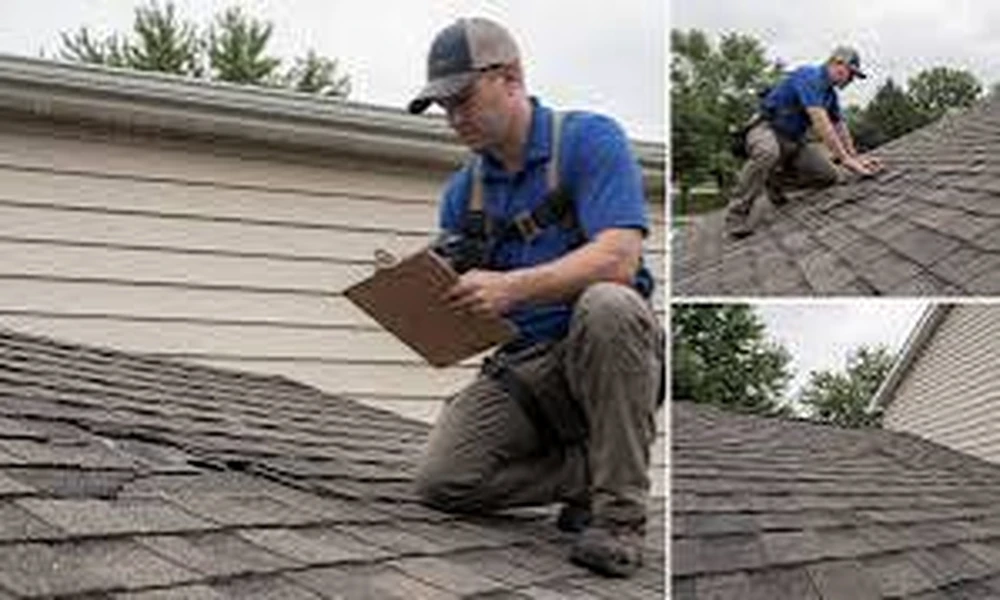

The thunder fades, the rain stops, and the neighborhood goes quiet. That is exactly when the real work begins. Severe weather often leaves damage that is easy to miss, such as a lifted shingle, a dented gutter, or a cracked piece of siding, and small damage can turn into leaks and rot if nobody catches it. The team at Rocky Mountain Roof Doctors recommends a simple routine: stay safe first, document everything, and then work through your home from the top down. This guide organizes that routine by time, so you always know what to do next.
Why Storm Damage Is Easy to Underestimate
Not every storm announces itself with fallen trees. The National Weather Service explains that a severe thunderstorm is defined as one capable of producing hail an inch or larger or wind gusts over 58 mph, and hail of that size can damage property such as roofs and vehicles. That means a storm can seem manageable from the living room and still leave marks on your shingles, siding, and gutters. The same page adds that strong wind can break large branches or knock over trees, which can strike the house or pile debris against it.
The First Hour: Safety Before Anything Else
Before you inspect anything, make sure the area is safe.
- Wait until the storm has passed and any lightning has moved on.
- Stay away from downed power lines and anything they touch, and report them to your utility.
- Watch for broken glass, nails, and sharp debris when you walk outside.
- Be careful around damaged trees. Leaning or partly broken limbs can fall without warning.
- Do not climb onto the roof. Wet, damaged surfaces are slippery and may not support your weight.
- If you smell gas, see sparks, or hear hissing, leave and call emergency services.
The First Day: Look From the Ground
Walk around your home slowly and look up. A pair of binoculars helps you see roof details without a ladder.
Roof
- Missing, curled, or creased shingles
- Bare spots where granules have worn away
- Dark, bruised, or dimpled areas that may point to hail impact
- Debris such as branches or shingle pieces on the roof or in valleys
- Bent or loose flashing around chimneys, vents, and skylights
Gutters and Downspouts
- Dents or dings along the length of the gutter
- Sections pulled away from the fascia
- Gutters filled with shingle grit, which is a common clue after hail
- Downspouts that are bent, disconnected, or clogged
Siding and Trim
- Cracked, warped, or missing siding panels
- Holes, chips, or dents on any material type
- Loose trim boards or soffit panels
- Paint or caulk that has split open at joints
Windows, Doors, and Other Openings
- Cracked glass or damaged frames
- Torn or bent screens
- Broken seals that leave condensation between glass panes
- Dented garage doors or shifted door tracks
Outdoor Features
- Fences, decks, and railings that have shifted or cracked
- Damaged vents, caps, or rooftop equipment
- Outdoor air conditioning units with bent fins or debris inside
Document Everything
Good records make repairs and insurance conversations much smoother.
- Take wide shots of each side of the house, then close-ups of every issue.
- Include something for scale, such as a coin next to a hail dent.
- Record the date, the time of the storm, and what you saw and heard.
- Save weather alerts and local reports for your area.
- Keep receipts for any emergency purchases, such as tarps or boards.
Review your homeowners policy for deductibles and reporting windows, and contact your insurance provider promptly if you find damage.
The First Week: Protect and Plan
Once the situation is documented, focus on stopping further harm.
- Cover openings. A temporary tarp over a damaged roof section or boards over a broken window can prevent water from getting inside. Keep temporary repairs simple and safe.
- Check inside. Look at ceilings, attic spaces, and walls for new stains, drips, or damp insulation.
- Dry out wet areas. Moisture left behind can lead to mold within a few days.
- Get a professional inspection. A qualified roofer or exterior contractor can climb safely and spot problems you cannot see from the ground, such as lifted shingle seals or damaged underlayment.
- Get a written estimate. It should list the damaged areas, the materials involved, and the work required.
Signs the Damage Is Bigger Than It Looks
Call a professional immediately if you notice:
- Water stains that grow after rain
- Daylight visible through the attic ceiling or roof boards
- Sagging in the roofline or ceiling
- Granules collecting in large amounts in the gutters
- Siding that rattles or lifts in the wind
- A sudden jump in drafts or uneven indoor temperatures
How to Prepare Before the Next Storm
A little prevention goes a long way:
- Trim branches that hang over the roof or lean toward the house.
- Clean gutters and downspouts each spring and fall.
- Replace aged or brittle shingles before they fail.
- Check caulking and flashing every year.
- Secure loose outdoor items such as furniture, grills, and trash cans when severe weather is forecast.
- Schedule a roof and exterior inspection each year, especially after major storms.
Final Thoughts
Storm damage is stressful, but a calm, step-by-step routine makes it manageable. Stay safe, look carefully from the ground, document everything, and bring in a qualified pro for the parts you cannot reach. Catching damage early protects your home, your budget, and your peace of mind long after the clouds clear.