

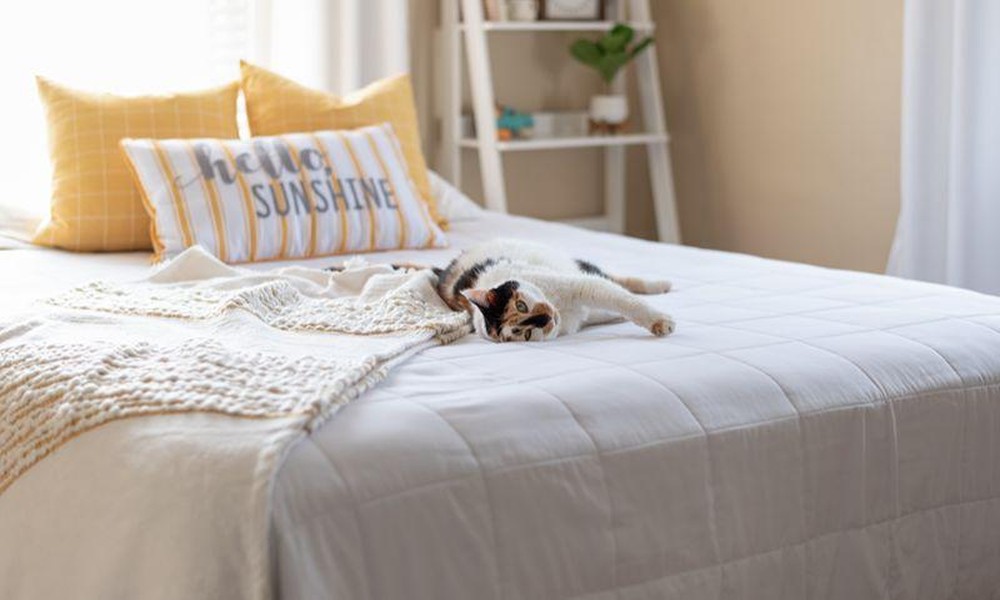
Creating a stable routine for your pet becomes even more important when you temporarily relocate to a long-term serviced apartment. The change in environment, new smells, and unfamiliar surroundings can unsettle pets that are used to predictable rhythms at home. Establishing structure from the first day helps them feel safe and allows you to manage your daily schedule more smoothly, especially if you are balancing work commitments or adapting to a co-living environment.
A routine provides consistency, and pets respond to consistency more than any other factor. Whether you are staying for several weeks or a few months, the goal is to give your pet a sense of normalcy, even when the setting is different from home.
Recreate the Pet’s Home Environment Quickly
Start by replicating elements of your pet’s usual environment as soon as you move in. Familiar cues such as their bed, toys, bowl placements, and blankets help reduce stress and anchor them to something they already understand. The layout in a long-term serviced apartment will differ from your home, but the presence of familiar items tells your pet that this is now their space too. Avoid rearranging their things frequently. Instead, set up a dedicated “pet corner” on the first day and leave it unchanged so they can form a clear mental map of their surroundings. This stability helps pets adapt faster, especially during the first 48 to 72 hours.
Establish Predictable Feeding and Walk Times
Feeding and walking schedules should mirror your pet’s usual rhythm as closely as possible. Even if your work routine shifts due to travel or relocation, it is better to adjust your own timings rather than forcing your pet into a new pattern abruptly. Sticking to fixed walk times also ensures you do not clash with peak shared-space usage or bother other tenants. Pets anticipate food and outdoor time, and consistency lowers anxiety while helping them remain calm throughout the day. Map out safe walking routes early if the serviced apartment is located in a busy area and test them during off-peak hours to help your pet adjust gradually.
Incorporate Play and Stimulation into the Daily Routine
Mental and physical stimulation prevents boredom, particularly for pets confined to smaller spaces. Long stays in a long-term serviced apartment may limit backyard access or free roaming, so you need to schedule intentional play periods. Choose interactive toys, puzzle feeders, and indoor-friendly activities that keep your pet alert without causing noise disruptions. Similarly, if you are staying in a pet-friendly co-living environment, be mindful of common areas and shared spaces-use them only when allowed and always supervise your pet. Establish a clear morning or evening play session that becomes part of your pet’s daily expectations.
Create a Calm Wind-Down Routine Before Bedtime
Night routines matter just as much as daytime structure. A predictable wind-down pattern helps your pet settle down faster, especially in a new location where external sounds may differ from what they are used to. Keep the bedroom setup similar to home, maintain low lighting, and limit stimulating activities right before bed. Pets that sense structure in the evening often sleep better, which helps you rest as well.
Monitor Behavioural Changes and Adjust the Routine Slowly
Relocation affects pets differently. Some adapt quickly; others need time. Observe behavioural cues during the first week-changes in appetite, restlessness, or vocalisation usually signal the need for minor adjustments. The key is not to overhaul the routine abruptly but make slow, manageable tweaks. Both long-term serviced apartment stays and pet-friendly co-living setups require patience while your pet adapts to a new rhythm.
Conclusion
Creating a routine for your pet during a long stay ensures they remain comfortable, secure, and emotionally balanced. A structured daily pattern helps them recognise the new environment as safe, reducing stress and improving behaviour. Whether you are staying in a long-term serviced apartment or navigating the communal aspects of pet-friendly co-living, a consistent routine allows your pet to settle in smoothly, giving both of you a better experience throughout the stay.
Contact Aurealis Serviced Residence to make your long stay smoother for both you and your pet.


