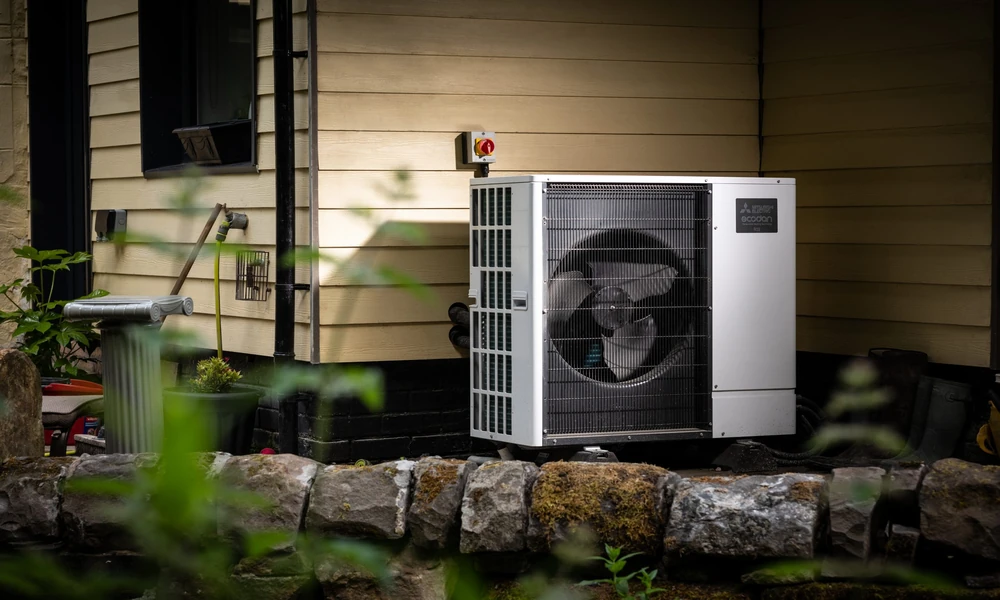

In today’s world, the shift towards sustainable heating solutions is more important than ever. Many homeowners are exploring alternatives to traditional fossil fuel systems. One such option is a modern, low-carbon heating system. These systems not only offer environmental benefits but also help in reducing energy bills.
The government has introduced tools to assist homeowners in assessing the suitability of their properties for these systems. By using the government checker, residents can easily determine if their homes are compatible with these innovative solutions. This can lead to a more informed decision-making process when considering a switch from conventional boilers.
Understanding how these systems operate is crucial. This knowledge empowers homeowners to navigate the installation process confidently. With various options available, it is essential to have the right information to make the best choice for your home.
Key Takeaways
- This guide offers vital insights into transitioning to sustainable heating.
- The government checker helps determine property suitability.
- Understanding operation aids in informed decision-making.
- Knowledge of options ensures effective navigation of installation.
- Transitioning reduces environmental impact and energy reliance.
Introduction to Heat Pump Technology
Now more than ever, the call for low-carbon heating alternatives resonates strongly. These systems play a vital role in reducing carbon emissions and promoting sustainability. By capturing heat from the outside air or ground, they provide an efficient way to warm homes without burning fossil fuels.
Unlike traditional boilers, which rely on fossil fuels, a heat pump harnesses naturally occurring heat from the environment. This innovative approach not only benefits the planet but also offers significant economic advantages. Electricity used to power these systems can come from renewable sources, further lowering your carbon footprint.
While the initial investment may seem high, the long-term savings on energy bills can be substantial. This transition supports a broader movement towards a sustainable, zero-carbon future for households across the nation.
- The rise of low-carbon heating systems is crucial for reducing national carbon dioxide emissions.
- These systems are powered by electricity from renewable energy providers.
- Adopting this way of heating helps decrease reliance on volatile fossil fuel markets.
How Heat Pumps Work in UK Homes
Understanding the operation of modern heating systems is essential for homeowners. These systems transfer heat from the environment into living spaces. The process relies on thermodynamics, making it efficient even in colder months.
Air-to-water systems are the most common type installed. They extract thermal energy from the outside air, ensuring consistent heating. In contrast, ground source methods utilise a network of underground pipes. This ground loop helps maintain a stable temperature for heat extraction.
Both systems concentrate low-grade heat into higher temperatures suitable for domestic radiators and hot water. The choice between air and ground sources often depends on available outdoor space and specific heating needs.
| System Type | Heat Source | Efficiency | Installation Space Required |
|---|---|---|---|
| Air Source | Outside Air | High | Less Space |
| Ground Source | Underground | Very High | More Space |
Heat Pump Technology Guide for UK Homes
Efficient heating solutions are increasingly vital as energy costs rise and environmental concerns grow. Understanding the key components of a heating system is essential for homeowners considering a transition.
Key Components of a Heat Pump System
A typical system consists of an outdoor unit, a compressor, and an indoor heat exchanger. This arrangement effectively manages thermal distribution throughout the home.
Factors Impacting System Efficiency
These systems generally operate at lower temperatures than traditional gas boilers. Consequently, larger radiators are often recommended to enhance heat transmission. The overall efficiency of your installation is significantly influenced by the insulation levels and thermal performance of your home.
Modern systems can operate at higher temperatures, which may reduce the need for extensive radiator upgrades. Proper sizing of system components is crucial to ensure your home remains warm during winter months.
| Component | Function | Impact on Efficiency |
|---|---|---|
| Outdoor Unit | Extracts heat from the environment | Essential for performance |
| Compressor | Increases heat temperature | Crucial for energy use |
| Indoor Heat Exchanger | Distributes heat indoors | Influences comfort levels |
Types of Heat Pumps Available
As the climate crisis deepens, the need for sustainable heating options becomes ever more pressing. Homeowners now have various types of systems to choose from, each with its unique benefits and requirements.
Air source systems are among the most popular. They are versatile and relatively easy to install, making them an ideal choice for many properties. These units extract heat from the outside air, providing efficient heating even in cooler months.
On the other hand, ground source systems require more outdoor space. They rely on deep boreholes or horizontal loops buried in the ground to extract heat. This method is highly efficient but may not be feasible for all properties.
Hybrid systems combine a heat pump with a traditional gas or oil boiler. This setup offers flexibility, automatically switching between the two sources based on external temperatures, ensuring optimal efficiency.
Before deciding on a system, homeowners can benefit from a quiz developed by Nesta and The MCS Foundation. This tool helps identify the most suitable type of heat pump for their specific needs.
| Type of Heat Pump | Installation Space Required | Flexibility |
|---|---|---|
| Air Source | Less Space | Moderate |
| Ground Source | More Space | Low |
| Hybrid | Variable | High |
Installation and Planning Considerations
Planning the installation of modern heating systems requires careful consideration. Understanding the regulations and requirements is essential for a successful setup. Since 29 May 2025, the regulations regarding planning permission for these systems have been simplified. This change aims to encourage wider adoption across the nation.
However, homeowners must ensure that the outdoor unit has adequate space around it. This space allows for proper airflow and efficient heat extraction. If a property is located in a conservation area or is a listed building, specific planning permission may still be necessary.
A professional site evaluation is recommended to determine if there is enough area to accommodate the required outdoor equipment safely. Always consult with your local council if your proposed unit exceeds 1.5 cubic metres, as this may trigger additional planning requirements.
| Consideration | Details |
|---|---|
| Planning Permission | Relaxed since 29 May 2025 |
| Outdoor Unit Space | Must allow for airflow |
| Conservation Areas | May require special permission |
| Site Evaluation | Professional assessment recommended |
| Unit Size | Check local council if >1.5 cubic metres |
Cost Considerations and Funding Options
With rising energy prices, evaluating the expenses of modern heating options is increasingly relevant. Homeowners must understand the costs associated with installation and maintenance to make informed decisions.
According to insights from Abercorn Heating Ltd, the total installation costs for a heat pump vary based on the complexity of the project. For instance, air source systems typically cost around £11,000, while ground source installations can reach approximately £29,000. This is significantly higher than the £4,000 required for a standard gas boiler replacement.
Fortunately, financial assistance is available. Homeowners in England and Wales can access a £7,500 grant through the Boiler Upgrade Scheme, helping to offset initial costs. Additionally, it is crucial to consider potential radiator upgrades or improved insulation when calculating the total project budget.
The Energy Saving Trust provides detailed guidance on how these financial incentives can make a source heat pump more affordable for families.
| Type of System | Estimated Cost | Government Grant |
|---|---|---|
| Air Source | £11,000 | £7,500 |
| Ground Source | £29,000 | £7,500 |
| Gas Boiler Replacement | £4,000 | N/A |
Energy Efficiency and Performance
The pursuit of energy-efficient heating systems has become a priority for many homeowners today. These systems can achieve remarkable efficiency, often producing three kilowatts of heat for every one kilowatt of electricity consumed. This level of performance translates to significant savings over time.
When comparing the operational costs of a new system to an older gas boiler, homeowners often discover substantial long-term benefits. Proper sizing of the system, combined with effective insulation, plays a crucial role in maintaining optimal performance.
While electricity rates are generally higher than gas, the impressive efficiency of these systems keeps overall running costs competitive. Regular monitoring of energy usage can further enhance performance, especially during the coldest winter temperatures.
| Efficiency Metric | Details |
|---|---|
| Heat Output | 300% efficiency (3 kW heat per 1 kW electricity) |
| Cost Comparison | Lower long-term costs vs. gas boilers |
| Performance Factors | Correct sizing and insulation are vital |
| Electricity Costs | Higher per unit but competitive overall |
| Monitoring | Adjust settings for winter performance |
Maintenance and Lifespan of Heat Pumps
Proper upkeep of modern heating systems is essential for optimal performance and longevity. A well-maintained system can last around 20 years, which is significantly longer than a typical gas boiler. Routine servicing is crucial to keep the system running efficiently and is often required to maintain the manufacturer’s warranty.
To ensure your outdoor unit operates effectively, keep it free from debris. Ensure that airflow is not obstructed by vegetation or garden items. Most reputable manufacturers provide warranties that cover key components, provided you have the system serviced by a professional annually.
Regular maintenance includes keeping the system clean and checking the water pressure. This attention to detail helps ensure the longevity and reliability of your heating investment.
- A well-maintained system can last around 20 years.
- Routine servicing is essential for efficiency and warranty compliance.
- Outdoor units should be free from debris and obstructions.
- Warranties often require annual professional servicing.
- Regular checks on cleanliness and water pressure are crucial.
Government Incentives and Future Trends
The transition to sustainable energy sources is becoming increasingly vital in today’s society. One significant initiative is the Boiler Upgrade Scheme, which offers a £7,500 grant to assist homeowners in replacing their existing gas or oil boiler systems. This funding is a crucial step towards reducing reliance on fossil fuels.
Looking ahead, future trends indicate a shift toward large-scale clean heat networks. These networks aim to supply renewable energy to entire blocks of flats, enhancing efficiency and sustainability. Adapting to a renewable energy future means embracing electric-powered heating solutions for all homes.
To be eligible for government funding when installing a new source heat pump, homeowners must possess a valid Energy Performance Certificate. The government is committed to expanding the UK’s infrastructure to support the widespread adoption of sustainable heating technologies by 2030.
- The Boiler Upgrade Scheme provides a £7,500 grant to assist homeowners in replacing their existing gas or oil boiler systems.
- Future trends indicate a shift toward large-scale clean heat networks that will supply renewable energy to entire blocks of flats.
- Adapting to a renewable energy future involves moving away from fossil fuel reliance and embracing electric-powered heating solutions for all homes.
- You must have a valid Energy Performance Certificate to be eligible for government funding when installing a new source heat pump.
- The government is committed to expanding the UK’s infrastructure to support the widespread adoption of sustainable heating technologies by 2030.
Practical Tips for Selecting a Qualified Installer
Choosing the right installer is crucial for ensuring a successful transition to modern heating solutions. Homeowners should be aware of specific certification standards that guarantee quality work. Installers must be MCS certified to allow claims for the £7,500 government grant associated with your new system.
Obtaining quotes from at least three different companies is advisable. This practice helps ensure a fair price for your installation. The Microgeneration Certification Scheme also provides a formal process to resolve any disputes that may arise during or after the installation.
A qualified installer will assess your home’s heating requirements and recommend the most suitable source heat pump for your specific needs. Always verify the credentials of your chosen contractor to ensure they adhere to the high standards required for renewable energy projects.
| Tip | Details |
|---|---|
| MCS Certification | Mandatory for claiming the government grant |
| Obtain Multiple Quotes | Get at least three quotes for fair pricing |
| Dispute Resolution | Utilise the Microgeneration Certification Scheme process |
| Home Assessment | Installer should evaluate heating needs |
| Verify Credentials | Ensure compliance with renewable energy standards |
Impact on Home Heating and Insulation
A well-insulated home can significantly reduce energy consumption and improve overall comfort. Adding insulation not only lowers annual running costs but also enhances the efficiency of modern heating systems.
Integrating larger radiators into your system allows it to heat rooms effectively, even when operating at lower temperatures than traditional gas systems. This is crucial for maximising performance.
While upgrading insulation may increase initial costs, it is essential for reducing long-term energy consumption. A professional assessment can determine if existing radiators are sufficient or if replacements are necessary for optimal performance.
Investing in insulation and radiator upgrades creates a more comfortable living environment while simultaneously lowering monthly energy bills.
| Improvement Type | Benefits |
|---|---|
| Insulation | Reduces energy consumption, enhances comfort |
| Larger Radiators | Improves heating efficiency at lower temperatures |
| Professional Assessment | Identifies necessary upgrades for optimal performance |
Comparing Heat Pumps with Traditional Boilers
Evaluating the effectiveness of various heating systems is essential for homeowners today. One significant aspect to consider is the efficiency of modern solutions compared to traditional gas systems.
A heat pump is approximately four times more efficient than a traditional gas boiler. While electricity prices are higher than gas, the long-term savings can be substantial.
Households currently using old electric storage heaters can save up to £1,200 annually after installing a modern heat pump. This highlights the financial benefits of making the switch.
When comparing costs, it is important to consider long-term maintenance savings. Heat pumps have fewer moving parts than boilers, leading to lower maintenance costs over time.
Replacing an inefficient gas boiler with a heat pump is a strategic move. It not only reduces energy bills but also helps in decreasing your carbon footprint.
The Energy Saving Trust provides data showing that savings vary significantly depending on the type of heating system you are replacing.
| Heating System | Efficiency | Annual Savings |
|---|---|---|
| Gas Boiler | Standard Efficiency | N/A |
| Heat Pump | Approx. 400% efficiency | Up to £1,200 |
| Old Electric Storage Heater | Low Efficiency | N/A |
Innovations in Renewable Energy Systems
The evolution of renewable energy systems is transforming how we manage our home heating. One of the most significant advancements is the integration of smart meters. These devices are essential for accessing dedicated electricity tariffs tailored for heat pumps.
Insights from Abercorn Heating indicate that selecting the right tariff is crucial for controlling running costs. Some energy providers offer off-peak rates, which can dramatically lower the expense of heating water during the night. However, homeowners should be aware that peak prices on certain tariffs can be up to 60% higher than standard rates.
Emerging technologies are continuously enhancing the efficiency of heat pumps, making them more viable for various properties. To maximise savings, it’s wise to compare different energy tariffs based on your usage patterns and heating system requirements.
- Innovations allow homeowners to access cheaper, dedicated electricity tariffs.
- Choosing the right tariff is crucial for managing running costs.
- Off-peak rates can significantly reduce costs for heating water.
- Technological advancements improve heat pump efficiency.
- Comparing tariffs helps find the best deal for specific needs.
Conclusion
Embracing sustainable heating practices is a crucial step for those looking to enhance their home’s energy profile. This guide has explored essential aspects of modern heating solutions, including installation costs and long-term energy efficiency benefits.
Transitioning to a heat pump is a significant move towards reducing your home’s carbon footprint and supporting renewable energy goals. By selecting a qualified installer and considering necessary insulation upgrades, you can ensure your system performs optimally for years to come.
Government grants, like the Boiler Upgrade Scheme, provide vital financial support, making these sustainable heating solutions more accessible. We hope this information empowers you to make an informed decision about the future of heating in your own home.