
Long before subway mosaics and backyard patios, the story of tile begins in the heart of ancient civilizations. Early indoor tilework, found in the palaces of Mesopotamia and the baths of Rome, combined artistry with function. Craftsmen relied on accessible materials: baked clay, hand-painted ceramics, and even fragments of natural stone. These tiles, while beautiful, were largely suited to the predictable conditions of indoor life, far from the freeze-thaw cycles and battering sun that challenge today’s exteriors.
As architectural ambition expanded outdoors, homeowners and designers pushed the limits of materials. Courtyards, terraces, and pathways demanded tougher surfaces. The shift toward engineered outdoor tile solutions accelerated in the twentieth century, with advances in kilning and glazing that led to tougher, more resilient products. Technological progress continues to reshape what’s possible, as modern firing processes and advanced coatings bolster tile durability against moisture, UV, and temperature extremes.
Fundamental Differences Between Indoor and Outdoor Tiles
The most fundamental distinction between indoor and outdoor tiles lies in material composition and water resistance. Indoor tiles, such as classic ceramics, prioritize aesthetics and comfort underfoot, with softer glazes and intricate, delicate patterns. Outdoor tiles, in contrast, must endure seasonal wetting, freezing, and thawing. Materials like dense porcelain, textured natural stone, and specialized composites are engineered to shed water and resist cracking.
Design also diverges. Indoor tiles embrace a broader palette, think high-gloss finishes, embossed patterns, and bold colors, while outdoor selections lean toward earthy hues, stone-like textures, and subtle variances that camouflage dust and weathering. One key safety factor: surface texture. Slip resistance is a must for outdoor tiles, especially in climates prone to rain or snow, so manufacturers often add gritty finishes or undulating surfaces.
Evolution of Tile Materials for Outdoor Environments
Porcelain has emerged as the outdoor favorite for good reason. Its extremely low porosity (often less than 0.5 percent) helps it shrug off water, ice, and stains. Advances in digital printing allow porcelain to convincingly mimic wood, concrete, or natural stone, expanding design freedom without sacrificing strength.
Natural stone remains a timeless choice, prized for its unique character and tactile appeal. Granite, slate, and travertine offer durability, but require careful installation and sealing to prevent moisture intrusion. Meanwhile, eco-friendly and composite tiles are making inroads. Recycled glass, rubber, and stone-resin blends offer sustainable alternatives with competitive durability and slip resistance.
Indoor Tile Trends and Functional Shifts
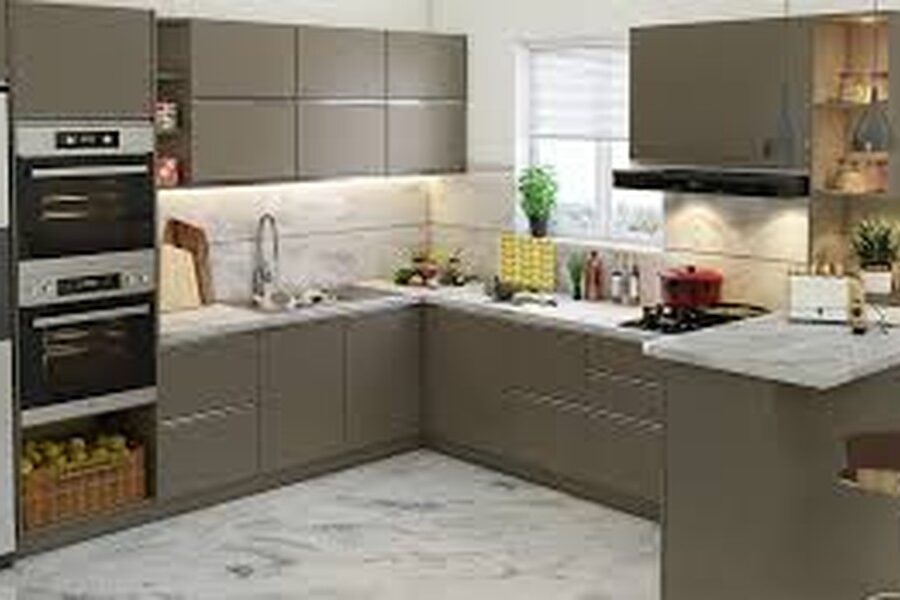
Indoors, ceramic tiles are still the gold standard for balancing beauty and function. Modern ceramics are available in countless shapes and finishes, from glossy rectangles that brighten kitchens to intricate patterns that add drama to bathrooms. Wall tiles have become canvases for creativity, with 3D effects, sculpted surfaces, and subtle metallic sheens.
Size and color trends are shifting, too. Large-format tiles make smaller rooms feel expansive, while neutral palettes, white, grey, beige, remain popular for their timelessness. Yet, bolder choices like deep blues and even oranges are emerging, reflecting a desire for personal expression within the home.
Challenges and Key Considerations in Outdoor Tile Selection
Selecting outdoor tiles means considering far more than looks. Weather resistance is critical, tiles must withstand sun, rain, freeze-thaw stress, and even de-icing salts. Installation techniques matter just as much: a thicker mortar bed, precise slope for drainage, and flexible adhesives all contribute to longevity.
Maintenance has come a long way. Modern outdoor tiles are designed to resist algae, mold, and staining, but some materials (especially porous stones) still demand regular sealing and care. Advances in manufacturing, seen in suppliers like Club Ceramic tiles, offer greater ease of maintenance, making stylish outdoor spaces more accessible than ever.
Harmonizing Indoor and Outdoor Tile Choices
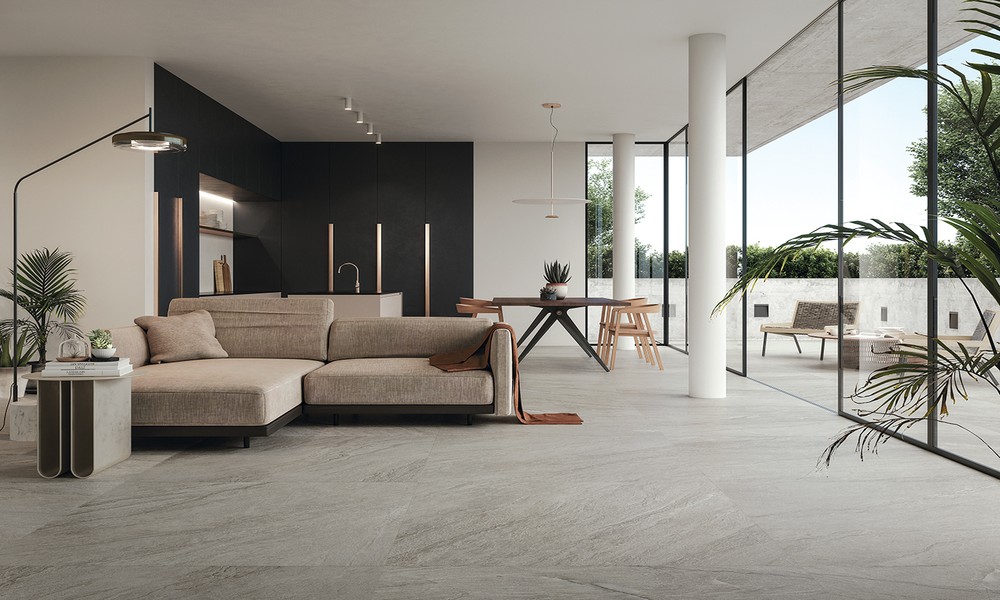
For homes with transition spaces, think patios flowing into kitchens or living rooms opening onto decks, cohesive design is key. Blending indoor and outdoor aesthetics doesn’t require identical materials, but choosing complementary colors, textures, or patterns can create a seamless visual flow.
The best designers match style with function. A matte, slip-resistant tile might echo the color of a glossy indoor floor, tying spaces together while respecting each area’s demands. The future promises even more integration as manufacturers develop tiles that bridge the indoor-outdoor divide, both in performance and appearance.
Practical Decision-Making: What Should You Prioritize When Selecting Tiles?
Every space presents unique demands. Consider foot traffic, high-traffic areas need harder, more durable surfaces. Exposure to sun and water influences material choice and finish. Use this matrix to weigh your options:
| Selection Criteria | Indoor Tiles | Outdoor Tiles |
|———————–|———————–|—————————|
| Water Resistance | Moderate | High |
| Slip Resistance | Sometimes required | Always essential |
| Design Flexibility | Extremely high | Growing, but more muted |
| Maintenance Level | Low to moderate | Moderate to high |
| Budget Range | Wide | Generally higher upfront |
| Longevity | 10-30 years | 15-40 years |
Budget is another crucial factor. While outdoor tiles often cost more upfront, their extended lifespan and lower maintenance can make them the smarter investment over time. Sustainability is also rising in importance, with more consumers considering recycled content and responsible manufacturing in their tile choices.
Looking Ahead: The Future of Tiles in Indoor and Outdoor Spaces
Expect smart tiles, with integrated heating, lighting, or sensors, to enter both indoor and outdoor markets soon. Color and texture innovations will continue, making it easier to personalize living spaces. As environmental awareness grows, recycled and low-emission materials will likely dominate future tile trends. Consumer preferences will keep evolving, but the core challenge remains: choosing the right tile for each space, balancing beauty, safety, and practicality at every step.