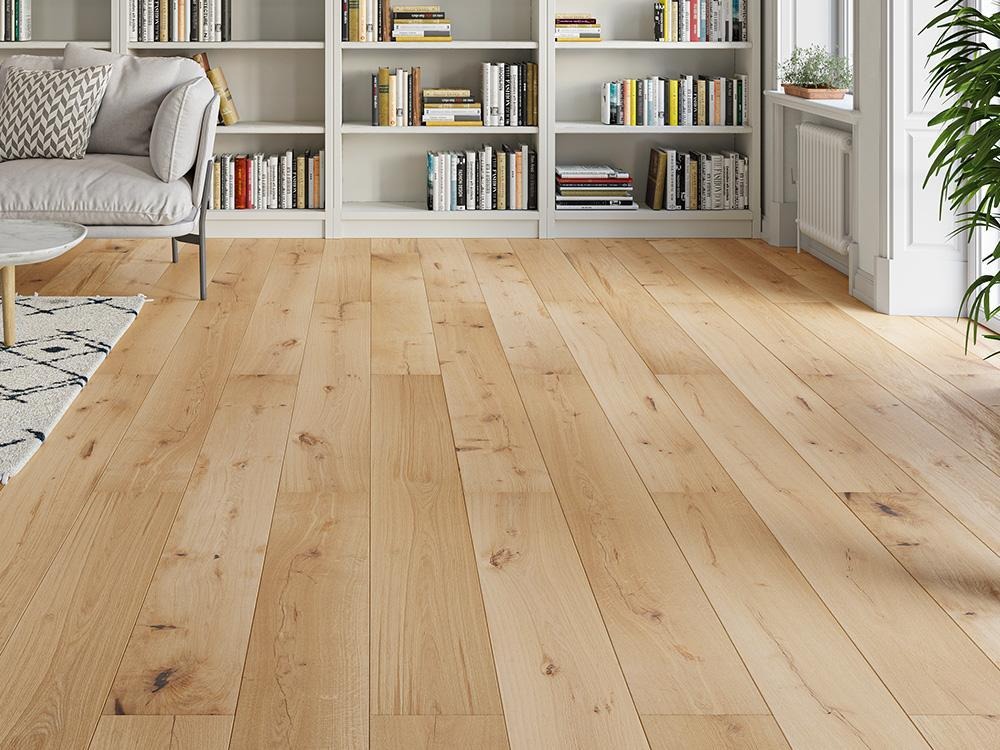

Wooden flooring has long been regarded as a premium interior finish, valued for its natural beauty, durability, and ability to enhance the character of any space. From classic homes to contemporary commercial environments, wooden flooring remains a preferred choice for architects, designers, and property owners who seek both aesthetics and long-term performance. Its versatility, combined with evolving manufacturing technologies, has made wooden flooring more accessible and adaptable than ever before.
What Is Wooden Flooring?
Wooden flooring is manufactured from natural wood or engineered wood products designed to be installed as a permanent floor surface. It is available in several formats, including solid hardwood, engineered wood, and parquet styles. Each type offers distinct structural and visual characteristics, allowing buyers to select a solution that aligns with their functional needs, budget, and design preferences.
Solid wooden flooring is produced from a single piece of hardwood, offering unmatched authenticity and longevity. Engineered wooden flooring consists of a real wood veneer bonded to multiple layers of plywood or fiberboard, providing greater stability in varying temperature and humidity conditions. Parquet flooring uses small wood blocks arranged in decorative patterns, delivering a refined and artistic appearance.
Aesthetic Appeal and Design Versatility
One of the primary reasons wooden flooring remains in high demand is its timeless aesthetic appeal. Natural wood grains, textures, and color variations add warmth and sophistication that synthetic flooring materials often struggle to replicate. Whether the preference is for light oak tones that create an open, modern feel or rich walnut shades that convey luxury and depth, wooden flooring offers extensive design flexibility.
Wooden floors integrate seamlessly with a wide range of interior styles, including minimalist, rustic, industrial, and traditional themes. They complement furniture, wall finishes, and lighting designs while serving as a neutral yet distinctive foundation for interior décor.
Durability and Long-Term Performance
When properly selected and installed, wooden flooring is exceptionally durable. High-quality hardwood floors can last for decades, often outlasting alternative flooring options. Solid wood floors can be sanded and refinished multiple times, restoring their original appearance and extending their service life significantly.
Engineered wooden flooring, while thinner than solid wood, offers excellent resistance to warping and expansion. This makes it suitable for environments with fluctuating temperatures or moderate moisture levels, such as apartments, offices, and retail spaces. With proper maintenance, engineered wood can retain its appearance and structural integrity for many years.
Comfort and Indoor Environment Benefits
Wooden flooring contributes positively to indoor comfort. It provides a warm underfoot feel compared to stone or tile surfaces and offers natural insulation properties. Wood also helps regulate indoor humidity by absorbing and releasing moisture, creating a more balanced indoor environment.
Additionally, wooden flooring is an excellent option for individuals concerned about indoor air quality. Unlike carpets, it does not trap dust, allergens, or odors, making it easier to maintain a clean and healthy living or working space. This characteristic makes wooden flooring particularly suitable for homes, offices, and hospitality environments.
Maintenance and Care Requirements
Maintaining wooden flooring is relatively straightforward when appropriate care practices are followed. Regular sweeping or vacuuming removes dust and debris that may cause surface scratches. Damp mopping with manufacturer-approved cleaning solutions helps preserve the finish without damaging the wood.
Preventive measures, such as using felt pads under furniture, placing rugs in high-traffic areas, and avoiding prolonged exposure to moisture, further extend the lifespan of wooden floors. Periodic refinishing may be required for solid wood floors, but this process restores their appearance and enhances durability.
Sustainability and Environmental Considerations
Sustainability has become an increasingly important factor in flooring selection, and wooden flooring performs well in this regard when sourced responsibly. Many manufacturers use wood from certified sustainable forests and employ eco-friendly production processes. Engineered wooden flooring, in particular, maximizes material efficiency by using less hardwood while maintaining the desired visual appeal.
Wood is a renewable resource, and its long lifespan reduces the need for frequent replacement, contributing to lower environmental impact over time. Choosing wooden flooring from reputable suppliers ensures compliance with environmental standards and responsible forestry practices.
Applications Across Residential and Commercial Spaces
Wooden flooring is suitable for a wide range of applications. In residential settings, it is commonly used in living rooms, bedrooms, dining areas, and hallways, where comfort and visual appeal are priorities. In commercial environments, wooden flooring enhances offices, boutiques, hotels, and restaurants by creating a welcoming and professional atmosphere.
Advancements in finishes and surface treatments have also improved the performance of wooden flooring in moderately demanding environments, allowing it to withstand higher foot traffic while maintaining its appearance.
Conclusion
Wooden flooring continues to be a benchmark of quality, elegance, and long-term value in interior design. Its natural beauty, durability, comfort, and adaptability make it a reliable investment for both residential and commercial projects. With a wide range of styles, finishes, and construction types available, wooden flooring offers solutions that meet diverse functional requirements while elevating the overall ambiance of any space. When chosen thoughtfully and maintained correctly, wooden flooring delivers enduring performance and timeless appeal for years to come.