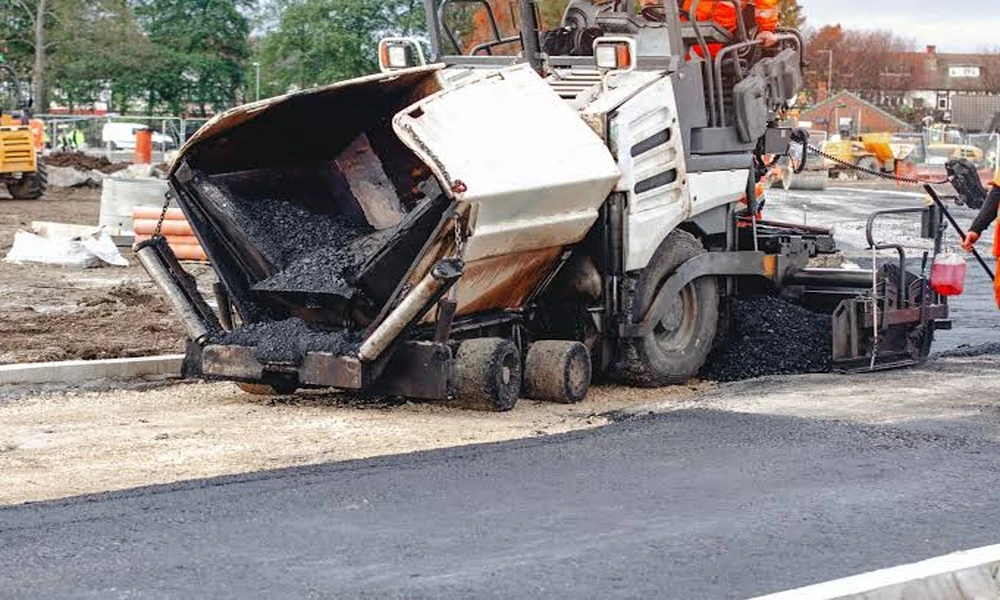

Asphalt milling is a crucial process for maintaining roads, parking areas and driveways for their next coat of asphalt. This requires the top few layers of pavement to be removed, but the foundation remains as much as possible. Usually, milling can be done rapidly, but depending on various stages, it may take longer than expected to finish a project. A knowledge of these potential delays can assist property owners, facility managers, and contractors in planning more effectively and minimising unexpected disruptions.
Before discussing specific causes of delays, it helps to understand that every paving project has its own unique site conditions, traffic requirements, and construction schedule. Reviewing Factors Slow Down Asphalt Insights before work begins gives property owners and project managers a clearer picture of what may influence the timeline, allowing them to prepare for potential setbacks, communicate realistic expectations, and make informed decisions that keep the milling and resurfacing process as efficient as possible.
- Weather Can Interrupt Progress
Asphalt milling projects are often delayed due to weather conditions. Rain makes things slick to work on, diminishes visibility, and leaves the pavement wet. Contractors should wait for dry surfaces for the following levels of resurfacing. Very cold weather may also impact equipment performance, and very hot weather can necessitate changes to work schedules to help keep workers and equipment safe.
- Hidden Pavement Problems
The top of an asphalt pavement is not necessarily representative of what’s underneath it. After the milling is underway, contractors may find that there are weak base layers, drainage problems or extensive structural damage that was not identified during the initial inspection. These things have to be fixed before continuing resurfacing. These extra repairs could add to the project schedule, but are required to ensure the pavement does not fail too early and the surface will last longer.
- Equipment Downtime
Today’s asphalt milling machines are very productive, but are used under extreme conditions. Efficient performance of components like cutting teeth, conveyors, hydraulic systems and engines depends on a regular maintenance schedule. Equipment failure can sometimes cause a disruption in service as repairs are made or until the needed parts are acquired. Those contractors who keep their machinery in top condition and can also have back-up machines on hand will be better able to limit the delays.
- Traffic Control Challenges
A lot of milling operations occur on existing roads, commercial spaces or heavily trafficked parking lots where access should not be obstructed. Contractors often do the work in stages to minimise the inconvenience and safety issues. Daily production is reduced due to lane closures, detours, and/or reduced working hours and/or pedestrian precautions, which can increase the duration of the overall project compared to work done in fully closed areas.
- Utility & Infrastructure Considerations
During Asphalt Milling, manhole covers, storm drains, utility covers and underground infrastructure should be given attention. Contractors need to allow for tolerances when milling around these structures to prevent damage and to ensure proper pavement elevations. Sometimes, utility companies will require a site audit or changes to current infrastructure prior to work, which affects further delays.
- The coordination of construction phases.
However, milling is just one of the procedures of resurfacing. After the removal of the old asphalt, it is crucial to coordinate the efforts of the paving crews, deliveries of the asphalt, and testing. Gaps between the milling and resurfacing jobs can be caused by the delay in materials supply, scheduling or equipment availability, and this can add to the overall construction schedule.
The key to success is careful planning, which minimises delays.
Although there will be some delays, a lot of them can be reduced with careful planning and seasoned project administration. Careful site surveys, proper equipment maintenance, weather monitoring and project coordination help to ensure better efficiency on the mill.