
Most people call a roofing contractor when water is already dripping through the ceiling, which in Singapore tends to mean the wettest weeks of the year. By then every contractor is busy and the roof is too wet to repair properly. The better approach is booking a roof leak repair in Singapore before the year-end rains, while surfaces are dry, appointments are available and minor defects have not yet become damaged ceilings. Understanding the seasonal pattern makes the case for acting early plain.
How the Wet Season Arrives
Rainfall in Singapore is frequent all year, but it intensifies towards the end of it. The inter-monsoon period around October and November brings heavy afternoon thunderstorms, and the Northeast Monsoon that follows typically delivers its wettest phase in December and January. Monsoon surges during that phase can bring prolonged rain lasting several days. A roof that copes with a short downpour may behave very differently when it stays saturated for a week.
Why Prolonged Rain Exposes Weak Roofs
Brief showers run off before water finds its way through small defects. Sustained rain is another matter. Tiles and screeds become saturated, water backs up at blocked outlets and wind drives rain beneath laps and flashings that normally shed it. Hairline cracks that admitted nothing in June begin to weep. This is why leaks seem to appear suddenly at the year end, when the weakness has usually been present for months.
The Problem With Waiting
Once the rains set in, repair becomes harder in three ways. Most waterproofing materials need a dry surface and several dry hours to cure, so work is repeatedly postponed. Contractors’ diaries fill, and waiting times lengthen. Meanwhile the leak continues to damage plaster, paint, wiring and furnishings below. An owner who waits until December often pays for a temporary patch first and a permanent repair later, having paid twice for one defect.
Warning Signs to Act On Now
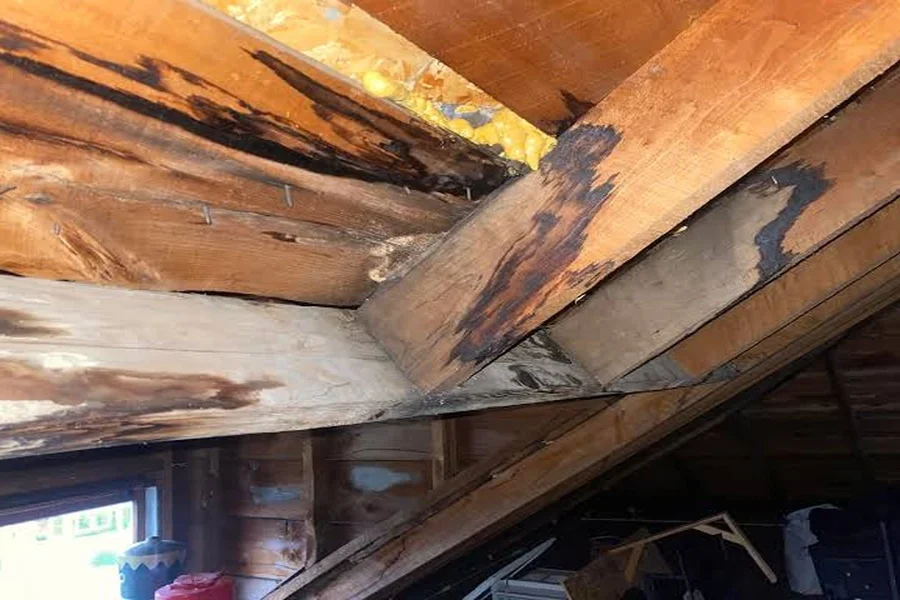
A roof usually gives notice. Brown rings or peeling paint on the top-floor ceiling, a musty smell in the roof space, damp patches on the upper part of walls and water marks around light fittings all point to moisture entering. Outside, look for cracked or slipped tiles, rusted fixings on metal sheets, ponding on flat roofs and plants growing in gutters. Any of these is reason to arrange an inspection before the weather turns.
What an Inspection Involves
A proper inspection covers the roof surface, the junctions and the drainage. The contractor checks tiles, ridge caps, flashings, sealant at penetrations and the condition of any existing membrane, then looks at gutters and outlets for blockage. Inside, moisture readings and the pattern of staining help locate the entry point. When booking a roof leak repair in Singapore before the year-end rains, owners should expect a written report with photographs and a clear proposal, not a price quoted from the driveway.
Typical Repairs Carried Out
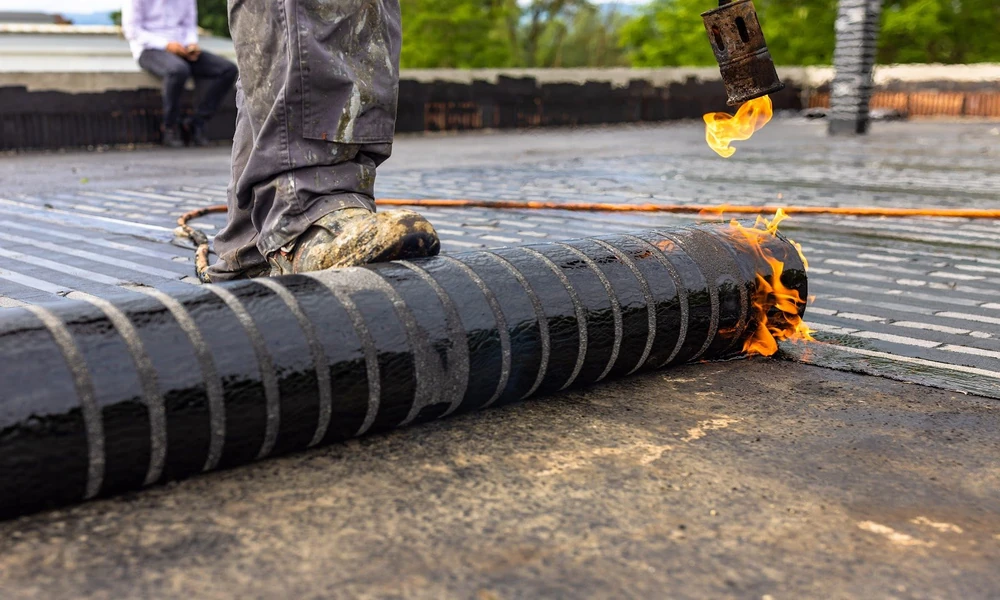
The remedy depends on the roof type. Pitched tile roofs may need broken tiles replaced, ridges re-bedded and flashings renewed. Metal roofs commonly need fixings resealed, laps treated and corroded sheets replaced. Flat concrete roofs may require crack treatment and a new membrane over the affected area, with attention to upturns and outlets. Where water has tracked into a slab, injection from below can stop the seepage while the surface work is scheduled.
Why Dry Weather Produces Better Work
Adhesion is everything in waterproofing. A membrane or sealant applied to a damp or dusty surface may look sound and still peel within a season. In drier months the substrate can be cleaned, primed and coated in the correct sequence, each layer given its curing time, and the finished area can be water tested before it is relied upon. The same work attempted between storms in December is always a compromise.
Planning the Timeline
Allow time for each stage. An inspection and quotation may take a week. Approvals from a management corporation or coordination with neighbours can add more. The work itself may take from a day to a fortnight depending on its extent, plus curing and testing. Counting back from the start of December, arrangements made in September or October leave a comfortable margin. Those made in late November leave almost none.
Shared Roofs and Who Is Responsible
Responsibility varies with the property. Owners of landed houses deal with their own roofs. In condominiums the roof is usually common property, so a top-floor leak should be reported to the managing agent promptly and in writing. In HDB blocks the town council maintains the roof. In each case early reporting matters, because committees and agencies need time to inspect, approve and appoint a contractor before the weather closes in.
Deciding When to Act
If any warning sign is present, or the roof has not been examined for several years, the sensible course is to arrange an inspection during a dry spell and decide on the evidence. Small repairs done early are inexpensive and durable. The same defects left until the monsoon cost more and disrupt more. In practical terms, booking a roof leak repair in Singapore before the year-end rains is less a matter of urgency than of ordinary good timing.