
Ascension Parish has changed fast. Fields along LA 42 and Highway 73 have turned into neighborhoods, and older brick ranch homes now sit a short drive from subdivisions built in the last ten years. Both kinds of houses share the same sky, though, and that sky delivers long humid summers, sudden downpours, and the occasional hurricane that tests every nail on the roof.
That mix of housing stock means a roof installation in Prairieville can look very different from one street to the next. A twelve year old builder grade roof and a forty year old roof on a ranch house fail for different reasons, and understanding those reasons is the best way to judge what the next roof should include.
The good news is that roofing methods have improved a lot, especially for storm country. Many of the upgrades that make a roof tougher cost little when they’re done during a full replacement and a great deal more if they’re skipped and needed later.
The Problem With Builder Grade Roofs
Many homes built during the parish’s growth boom went up quickly. Builders working on tight margins often chose the most basic three tab or entry level architectural shingles, standard felt underlayment, and the minimum fastening the code allowed at the time.
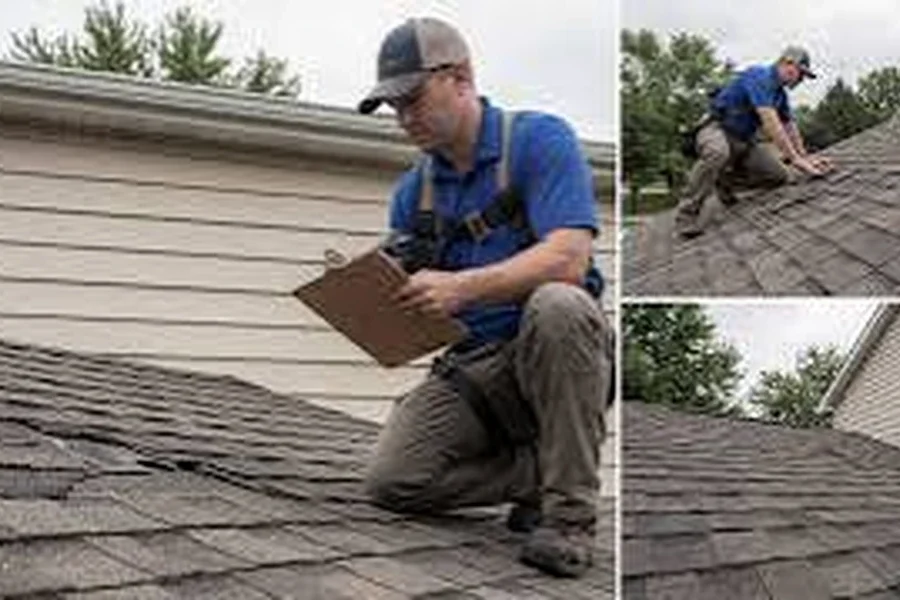
These roofs tend to show their age early. Common signs include shingles lifting along the edges of the roof, granules collecting in gutters, and leaks around plumbing vents where cheap rubber boots have cracked in the sun. Ventilation is another weak point. Some homes have too few soffit vents for the attic size, which traps heat and moisture against the underside of the deck.
When these roofs come due for replacement, the owner has a chance to correct shortcuts that were never visible at closing.
What Older Ranch Homes Bring to the Table
Homes built decades ago face a different set of issues. Some have two layers of shingles already, which adds weight and hides problems in the deck. Others have plank sheathing with gaps between boards, or plywood that has been soaked and dried so many times it has softened.
A full tear off is usually the right call for these homes. It lets the installer see the entire deck, replace damaged sections, and fasten everything properly before new materials go on. Older homes may also have ductwork, bathroom fans, or kitchen vents that dump humid air into the attic rather than outside. Rerouting those during a reroof prevents condensation that can rot a brand new deck within a few years.
The Upgrades Worth Asking About
Some details make a measurable difference in how a roof handles Louisiana weather. When reviewing a proposal, look for whether it includes:
- Removal of all existing roofing down to the bare deck
- Re-nailing the deck with ring shank nails at tight spacing
- Sealed deck seams or a full self adhered membrane under the shingles
- Drip edge along eaves and rakes, plus a starter strip with adhesive
- New pipe boots, valley protection, and step flashing at walls
- Balanced intake and exhaust ventilation for the attic
The sealed deck deserves extra attention here. If high winds pull shingles off, the gaps between sheathing panels become open channels for rain. Sealing them keeps the attic dry until repairs can happen. The LSU AgCenter describes how sealed decks and ring shank nailing work together under the FORTIFIED roofing standard, which Louisiana has supported through grant funding and required insurance discounts for qualifying homes.
These upgrades are not all required by code. That’s the point. Code sets a minimum, and a roof in hurricane country benefits from going beyond it.
Material Choices Through a Local Lens
Most Prairieville homes use architectural asphalt shingles, and for good reason. They’re affordable, widely available, and modern versions carry wind ratings that suit the region when installed with the correct nailing pattern. Look for shingles with algae resistant granules, since the dark streaks caused by airborne algae appear quickly in this humidity, especially on shaded slopes.
Impact resistant shingles cost more but hold up better against hail and windborne debris, and some insurers offer discounts for them. Metal roofing, particularly standing seam, has become a favorite for newer custom homes and farmhouse designs. It lasts a long time, sheds heavy rain quickly, and reflects heat well in lighter finishes. It also demands an installer who understands how panels expand and contract with temperature swings.
Whatever the material, color plays a role in comfort. A lighter roof stays noticeably cooler on summer afternoons, which helps the attic and the air conditioner below it.
Permits, Paperwork, and Warranties
Roofing work in Ascension Parish typically needs a permit, and a licensed contractor handles that process as part of the job. It’s worth confirming the contractor holds a valid Louisiana license and carries both liability and workers’ compensation insurance. If someone is injured on your roof and the crew isn’t covered, the liability can land on you.
Warranties come in two parts. The manufacturer covers defects in the materials, while the installer covers the workmanship. Many manufacturer warranties are only valid when their full system is used and the attic is properly ventilated, so ask how the installation meets those conditions. Keep the paperwork, along with photos of the deck and underlayment taken during the job. Those photos can help if you ever file an insurance claim or apply for a resilience discount.
Planning Around the Seasons
Roofing crews work year round here, but timing still matters. Fall and early spring offer milder weather and fewer afternoon storms. Summer jobs move forward too, just with more careful planning so only the section that can be dried in that day gets torn off.
Booking well ahead of hurricane season helps on two fronts. The roof is finished before the riskiest months arrive, and you avoid the rush that follows any major storm, when schedules fill and prices climb.
A roof that suits this part of Louisiana is less about the shingle you see from the driveway and more about the decisions made underneath it. Taking time with those decisions now means fewer surprises the next time the wind picks up.