
Introduction
There are potential fire hazards at any time of day, week or year, not just during working hours. If a facility is without fire protection systems for a period of time, or risks are high, then 24 hours of fire watch coverage can be a valuable asset for fire protection. Continuous monitoring is important to keep in place so that there is no lapse in awareness of potential hazards because fewer people are onsite.
For facilities where fire risks remain present around the clock, uninterrupted monitoring can provide an important layer of temporary protection. 24 hour fire watch Amarillo services can help ensure that trained personnel remain attentive throughout daytime, overnight, weekends, and other periods when staffing may be limited. Continuous patrols and timely reporting can help identify hazards early and support an appropriate emergency response until normal fire protection systems are restored.
Ensuring 24/7 protection of facilities.
Fire does not go to work from 9 a.m. to 5 p.m. Monday through Friday. Electrical issues, equipment overheating, combustible material and accidental ignition can happen anytime. 24 hours a day fire watch coverage maintains trained persons to watch over the property both day and night. This can be especially useful at construction sites, warehouses, industrial sites, commercial buildings, and when property is being maintained or renovated.
Early Hazard Detection
Continuous fire watch coverage has one significant advantage: it helps to identify dangerous conditions very early. Fire watch guards may schedule their patrol and monitor areas for smoke, flames, sparks, unusual heat or other warnings. Early detection will enable staff members with responsibilities to respond before a small incident becomes a big emergency.
Reducing Overnight Risks
Weekend facilities can particularly be at risk because fewer employees may be on duty to detect problems. A 24-hour fire watch means that the workforce never leaves, ensuring that monitoring goes on. Construction materials, equipment, temporary electrical systems, or other possible sources of ignition may be left on site that require special attention during the night.
Supporting Emergency Response
Staff on duty to watch for fire will be a point of contact at any time of fire. If a guard takes an action to raise an alarm, notify responders, notify facility management and assist in an evacuation, the guard can follow procedures. They have an understanding of the layout of the site and emergency procedures that have been planned, which can help to ensure a more effective response.
Monitoring High-Risk Activities
This may be needed at facilities where activities generate heat, sparks or flames. Welding, cutting and grinding can make it easier to ignite, particularly when hot work is being carried out. If suitable, fire watch can keep an eye on these activities and the surrounding area and assist in the identification of hazards and ensure adherence to the safety procedures implemented on the site.
Maintaining Consistent Documentation
Proper documentation (during each shift) should be part of any continuous fire watch program. Guards can log patrols, observations, hazards, incidents and corrective actions. Keeping track of each shift enables facility managers to keep an eye on what is happening on site and pinpoint any recurring safety issues.
How to Make Your System Work Better When It Is Not Working Well.
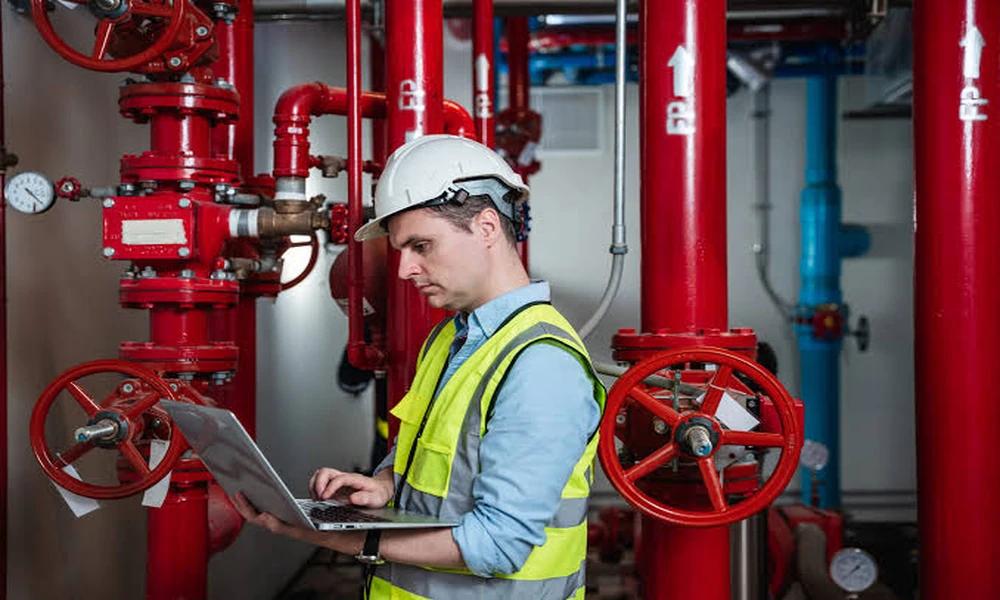
If fire alarm systems, sprinkler systems, or other protective systems are not available for an extended period, continuous fire watch can be used to provide other human monitoring until the normal fire protection is restored. The actual needs will be dependent on the specific circumstances of the impairment and fire safety rules.
Conclusion
Under such conditions, where a facility is at a greater risk of fire or where its normal fire protection system is compromised temporarily, there may be a need for continuous 24-hour fire watch coverage. Round-the-clock monitoring, early hazard detection, assisting with emergency response and documenting site conditions are all ways that trained fire watch personnel contribute to overall fire safety.