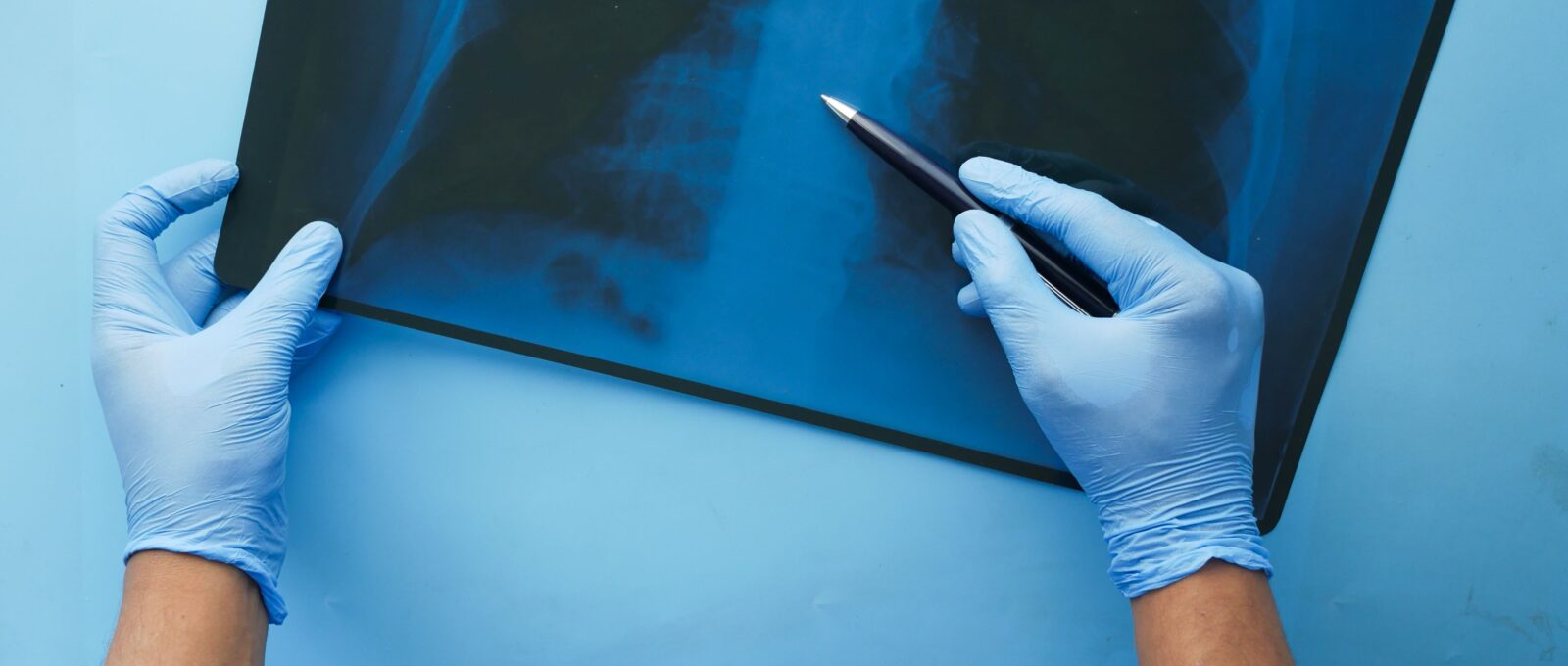

Walk into any commercial building or house constructed in the middle of the last century and you are probably standing within a few feet of asbestos. The mineral was so useful and so cheap that manufacturers worked it into an astonishing range of products, many of which are still in place today. Knowing where asbestos hides in old buildings is the first step toward protecting yourself, because the material is only dangerous when it is disturbed, and people disturb what they do not know is there.
The Usual Suspects: Insulation and Mechanical Systems
Insulation is the most notorious hiding place. Loose fill attic insulation, particularly vermiculite sourced from the contaminated mine in Libby, Montana, may contain asbestos fibers mixed invisibly through the product. Pipe lagging in basements and boiler rooms is another classic source. The white or gray wrap that covers old steam and hot water pipes is frequently made of nearly pure asbestos, and decades of age have often left it cracked, powdery, and ready to shed fibers at a touch. Furnace ducts, boiler jackets, and the cement board behind wood stoves round out the mechanical category.
These materials matter so much because they are friable, meaning they crumble under hand pressure. Friable asbestos releases fibers far more readily than dense products, and it tends to live in exactly the spaces where homeowners and maintenance workers crawl, reach, and bump their way through routine tasks.
Underfoot and Overhead
Flooring is a hiding place that fools people constantly, because it does not look industrial at all. Nine inch by nine inch vinyl tiles are the telltale format from the asbestos era, though twelve inch tiles from the same period may contain the mineral too. The black mastic adhesive underneath is often contaminated even when the tiles themselves are not. Sheet linoleum from the era frequently has an asbestos paper backing. When newer flooring gets installed on top, the old layer disappears from sight and from memory, waiting for a future remodel to bring it back into the air.
Overhead, textured ceilings are the headline risk. Spray applied acoustic texture, commonly called popcorn ceiling, was routinely mixed with asbestos into the 1980s. Ceiling tiles in drop grids, plaster skim coats, and joint compound on drywall seams can also contain fibers. Any sanding, scraping, or drilling in these surfaces sends dust straight down toward the breathing zone of everyone in the room.
Outside the Building Envelope
Exterior products used asbestos for weather resistance. Cement siding shingles, roofing felts, asphalt shingles, flashing sealants, and window glazing putty all appeared in asbestos containing versions. These products are dense and non friable when intact, which keeps day to day risk low, but power washing, cutting, breaking, and demolition can liberate fibers. Contractors who treat an old cement shingle like ordinary siding put themselves and the whole neighborhood downwind of the dust.
What Those Fibers Do Inside the Body
The reason this scavenger hunt matters comes down to biology. Asbestos fibers are microscopic and needle shaped, small enough to bypass the defenses of the nose and throat and travel to the deepest parts of the lungs. Once embedded, they resist every mechanism the body uses to clear foreign material. Immune cells attack the fibers, fail, die, and spill inflammatory chemicals into the surrounding tissue. Repeated over years, this cycle scars the lungs and damages cellular DNA.
The outcomes include asbestosis, a progressive stiffening of the lungs that makes each breath harder than the last, lung cancer, and mesothelioma, an aggressive cancer of the lining around the lungs and abdomen. Smokers who also inhale asbestos face a multiplied lung cancer risk far beyond the sum of the two hazards. Symptoms rarely appear until decades after exposure, which means the people getting diagnosed today were often exposed in buildings they occupied in the 1970s, 1980s, and 1990s.
Reducing the Risk in Practice
Awareness changes behavior, and behavior is what prevents exposure. Before any repair, renovation, or demolition in a building constructed before the modern regulatory era, arrange a professional asbestos survey. Licensed inspectors know where to look, how to sample safely, and which laboratories can confirm fiber content. If asbestos is found, certified abatement contractors can remove it inside sealed containments with negative air pressure and HEPA filtration, or encapsulate stable material so it stays locked in place.
Never dry sweep suspect dust, never break up old tiles to save on disposal fees, and never assume that a small job is a safe job. A single afternoon of uncontrolled work can contaminate an entire structure.
If Exposure Has Already Happened
People who worked or lived around these materials and later received a diagnosis of lung cancer or mesothelioma may be entitled to significant compensation. Decades of verdicts and settlements have established that manufacturers knew the dangers and sold the products anyway. Claims can proceed through lawsuits against solvent companies, through asbestos bankruptcy trusts, or through veterans benefits for those exposed during military service. Deadlines are strict and vary by state, so a prompt consultation with a qualified attorney preserves options that delay can permanently close.
Old buildings are not the enemy. Ignorance is. Learn where the fibers hide, respect the materials until testing says otherwise, and the historic structures we live and work in can be enjoyed without gambling with the health of the people inside them.