
Applying colour to a house in the UK involves much more than a simple refresh. It is a crucial process for safeguarding a home’s structure and enhancing its longevity. Many owners view it as a quick cosmetic fix, but this approach often overlooks the vital role of durable finishes.
A well-executed project serves a dual purpose. It boosts visual appeal while forming a protective shield against the country’s challenging weather. This defence prevents moisture ingress and costly structural damage, making it a smart investment.
This guide offers a comprehensive look at transforming a residence. It moves beyond basic colour choice to explore preparation, material selection, and application methods. Readers will discover how to plan a project that saves money and increases a home’s market value over the long term.
Key Takeaways
- Painting a house in the UK is essential for both aesthetic enhancement and structural protection.
- Proper techniques can significantly increase a property’s value and prevent expensive future repairs.
- A successful project requires understanding different paint types and preparation methods.
- The guide covers practical advice for both inside and outside the home.
- Knowing when to undertake a DIY project versus hiring a professional is crucial.
- Following expert guidance can break the cycle of frequent, costly repainting.
Key interior and exterior painting tips for property improvement
Effective surface treatment begins with understanding product specifications and surface readiness. Not all coatings perform equally under UK weather conditions.
Understanding the Importance of Quality Paint and Preparation
Selecting the right paint type is crucial for long-term performance. Masonry paints for exterior walls come in different formulations.
Acrylic masonry paint offers standard weather resistance with a lifespan of 3-15 years. Silicone-based options provide superior protection, lasting over 25 years.
| Paint Type | Lifespan | Key Feature | Best For |
|---|---|---|---|
| Acrylic Masonry | 3-15 years | Weather resistant | Standard protection |
| Silicone Masonry | 25+ years | Water repellent | Long-term durability |
| Limewash | 5-7 years | Traditional finish | Period properties |
Proper preparation determines paint adhesion and performance. Surfaces must be clean, repaired, and treated before application.
Benefits of Proper Colour and Protective Coatings
Choosing the right colour affects more than aesthetics. It influences heat reflection and maintenance requirements.
The most expensive paint will fail without proper surface preparation. Quality groundwork ensures coating longevity.
Protective coatings serve as the first defence against moisture. Breathable paints allow interior dampness to escape while repelling water.
Investing in high-quality materials and thorough preparation extends coating life. This approach saves money by reducing repainting frequency.
Preparing Your Property for a Successful Painting Project
Meticulous preparation separates amateur results from professional-quality finishes. This crucial step determines how well coatings adhere and perform over time.
Pre-Painting Considerations and Surface Preparation
Every successful decorating job begins with thorough surface assessment. Walls must be clean, dry, and free from defects before any work starts.
For exterior surfaces, remove dirt with a stiff brush. Treat fungal growth with appropriate cleaners to prevent future blistering. Fill cracks using specialist exterior filler for lasting repairs.
New surfaces require primer to ensure proper paint adhesion. Previously coated areas typically need only thorough cleaning. Proper masking protects windows and adjacent areas from accidental coverage.
Essential Tools and Materials for DIY Projects
Quality tools make any DIY project more efficient. Invest in good brushes, rollers, and masking tape for clean lines.
A comprehensive toolkit includes dust sheets, filler, and cleaning solutions. Weather planning is vital for exterior work. Choose dry days above 5°C for optimal results.
Proper preparation prevents common issues like poor adhesion. It ensures a smooth, durable finish that withstands UK weather conditions.
Expert Techniques for Interior Painting Maintenance
Proper upkeep of painted surfaces inside a home can significantly extend their lifespan. Regular care prevents premature wear and maintains visual appeal throughout the years.
Masking, Priming and Surface Repair
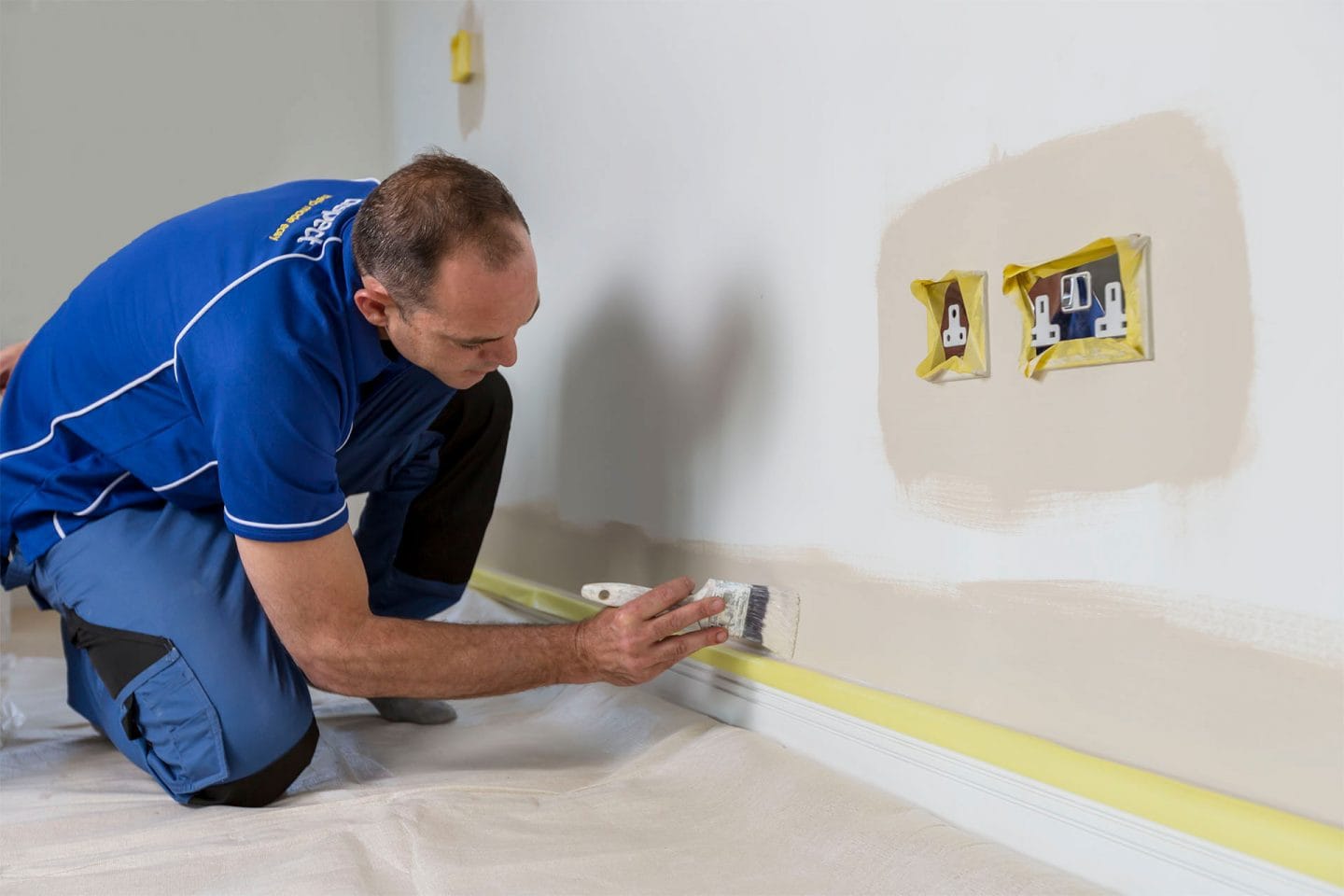
Effective maintenance begins with protective measures. Use quality masking tape to shield trim and fixtures during touch-ups. This approach ensures clean lines and prevents accidental damage to adjacent areas.
Surface preparation is crucial for lasting results. Fill small cracks with high-quality filler before applying a fresh coat. Light sanding creates a smooth base for seamless blending.
Store leftover paint properly for future touch-ups. Clearly labelled containers allow for quick colour matching when repairs are needed.
Managing Damp and Humidity in Older Homes
Older properties often face moisture challenges. Bathrooms and kitchens require special attention due to higher humidity levels.
Regular ventilation reduces moisture buildup. Use extractor fans during cooking and bathing. This simple habit prevents mould growth on walls.
Choose moisture-resistant paint products for problematic areas. These specialised coatings withstand humid conditions better than standard finishes.
Address mould promptly with appropriate treatments. Early intervention preserves the integrity of your interior surfaces and maintains a healthy living environment.
Professional Approaches to Exterior Painting in the UK
A property’s outer shell serves as its primary defence against moisture penetration and structural decay. Professional maintenance strategies focus on preserving this protective barrier through systematic inspection and targeted interventions.
Weatherproofing and Using Quality Coatings
UK weather patterns present unique challenges for external surfaces. Frequent rain and humidity accelerate coating deterioration. Regular inspections help identify early signs of wear before significant damage occurs.
Experts recommend bi-annual checks during spring and autumn. Homeowners should look for peeling, cracking, or bubbling coatings. Attention to window seals and door frames prevents water ingress.
Gentle pressure washing removes mildew and dirt annually. Excessive pressure can damage underlying surfaces. Proper drainage systems complement protective coatings effectively.
| Inspection Finding | Recommended Action | Timeframe | Prevention Strategy |
|---|---|---|---|
| Minor peeling | Scrape, prime, repaint affected area | Immediate | Regular cleaning |
| Cracking caulk | Remove old sealant, apply fresh bead | Within 2 weeks | Annual inspection |
| Mildew growth | Gentle cleaning with fungicidal wash | As needed | Improved ventilation |
| Fading colour | Consider repainting with UV-resistant product | Every 5-7 years | Quality initial coating |
Breathable, water-repellent formulations offer superior protection. They allow moisture escape while blocking rainwater penetration. This approach extends coating lifespan significantly.
Addressing minor issues promptly prevents costly structural repairs. Proper techniques save money by reducing frequent repainting cycles. Quality materials withstand British climate conditions for many years.
Tips from NDPainters on Advanced Painting Methods
Beyond basic brushwork lies a world of specialist methods that can dramatically extend coating lifespans. NDPainters‘ expertise reveals how proper techniques transform temporary decoration into lasting protection.
Innovative Techniques for Enhanced Longevity
Professional decorators treat each surface as a unique challenge. They assess factors like construction materials and weather exposure before starting any job.
Advanced approaches focus on moisture management and breathability. Specialist coatings offer water-repellent properties while allowing walls to breathe properly.
Quality application makes a significant difference. Using trade-grade materials ensures better coverage and adhesion. This step prevents the need for frequent repainting cycles.
ND Painters emphasise proper curing times and environmental conditions. Their methods can extend coating life from typical 3-5 years to over a decade.
Investing in superior materials pays off long-term. While initial costs are higher, the beautiful finish lasts much longer. This approach saves both time and money over a house’s lifetime.
Incorporating Advice from ND Painters for a Perfect Finish
The difference between temporary decoration and lasting protection often comes down to applying expert knowledge from seasoned professionals. ND Painters’ decades of experience reveal that many homeowners underestimate what makes a finish truly durable.
Real-World Insights and Best Practice Strategies
A recent survey shows 35% of UK homeowners regret DIY projects. They often misjudge the scale or complexity of the work. Professional painters decorators stress that proper preparation determines the entire job‘s success.
Common mistakes include poor timing and inappropriate product selection. ND Painters recommend assessing your skills honestly before starting. Some areas require professional equipment and expertise.
Proper maintenance isn’t just about keeping your house looking beautiful—it’s about protecting your investment long-term.
Balancing Aesthetics with Durability
Choosing colours involves more than personal preference. It requires strategic thinking about performance. The right finish can extend a coating’s life from 3-5 years to over a decade.
Well-maintained paintwork contributes to higher market value. It also enhances kerb appeal significantly. This approach saves money by reducing frequent repainting cycles.
Understanding when to hire professionals versus tackling projects yourself is crucial. NDPainters‘ guidance helps homeowners make informed decisions that balance visual goals with practical requirements.
Conclusion
Ultimately, a successful decorating project is an investment that pays dividends in both protection and visual appeal. This guide has highlighted that quality preparation and materials form the essential foundation.
Regular upkeep is the crucial next step. A simple tip like addressing minor damage or peeling promptly can add years to a coat‘s life. This proactive approach saves homeowners significant money and time by reducing frequent repainting.
Knowing when to tackle a job yourself or call a professional is equally vital. DIY efforts are perfect for manageable areas and touch-ups. For complex surfaces or persistent issues, expert help prevents costly mistakes.
By applying these principles, homeowners can significantly boost their property‘s value and curb appeal. A well-cared-for home exterior and interior offer lasting beauty and robust protection for years to come.
FAQ
How often should a home exterior be repainted?
The frequency depends on the climate and the quality of the previous job. In the UK, a well-executed project with premium products can last 7-10 years. It is wise to inspect surfaces annually for signs of peeling or damage.
What is the most critical step for a long-lasting finish?
Thorough preparation is paramount. This includes cleaning walls, scraping away loose material, sanding rough areas, and applying a suitable primer. Skipping this stage can lead to premature failure, regardless of the paint’s quality.
Can I paint over damp walls?
Painting over damp is not recommended. Moisture will cause the new coat to blister and peel. The source of the water ingress must be identified and resolved first. All surfaces must be completely dry before any decorating begins.
Should I hire professional painters and decorators or attempt a DIY job?
For complex projects, large areas, or high-value properties, hiring professionals like NDPainters is advisable. They possess the expertise and tools to ensure a flawless, durable result. Smaller, simpler rooms may be suitable for a confident DIY enthusiast.
How does a fresh coat of paint add value to a property?
A quality paint job significantly boosts curb appeal and protects the structure from weather damage. It creates a well-maintained impression that can increase market value and attract potential buyers or tenants more quickly.
What is the best time of year for exterior work in Britain?
Late spring and early autumn are ideal. The weather is typically mild and dry, which allows for proper application and drying. Avoid painting in direct sunlight, heavy rain, or when temperatures drop below 10°C.
How do I choose the right colour for my home?
Consider the architectural style and surrounding environment. Test small patches on different walls and observe them at various times of day. Neutral tones often have broad appeal, while bold colours can make a statement but may not suit all tastes.