
It’s a July afternoon, it’s 112 degrees outside, and the air conditioner has been running since breakfast. Someone starts the dryer, the pool pump kicks on, and the kitchen lights dim for a second. Most people shrug that off. That brief flicker is really your electrical panel reporting that it’s working close to its limit.
Homeowners looking into panel upgrades in Scottsdale usually find that the panel is the real bottleneck. The wiring in the walls often isn’t the issue. The panel is the gateway for every watt that enters the house, and its rating decides how much the home can run at once. Many houses in the area were built during growth booms in the 1970s and 1980s, when 100 or 125 amp service was standard and nobody pictured an electric car in the garage.
Knowing how your panel works, what strains it, and what an upgrade really involves puts you in a much better position to make a smart decision.
What Does an Electrical Panel Actually Do?
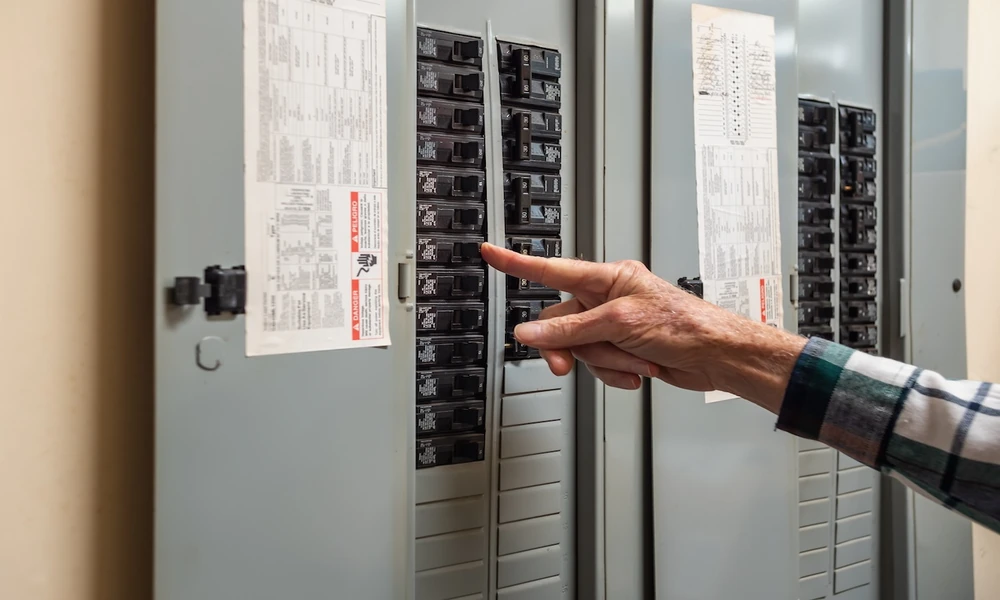
The panel takes power from the utility’s service line and splits it into separate circuits for each part of your home. Every circuit has a breaker. When too much current flows through it, the breaker trips and cuts power before the wires overheat.
The panel’s amperage rating is the ceiling for the whole house. A 100 amp panel can only deliver so much at one time, however many breakers it holds. A 200 amp panel gives you roughly twice the headroom. That’s why the number printed on the main breaker matters more than most people realize.
Why Does Desert Heat Make Panels Work Harder?
In hot climates, cooling is the biggest electrical load by a wide margin. Central air conditioning and heat pumps run for hours every day through long summers, and their compressors pull a strong surge each time they start.
Heat affects the equipment too. Panels mounted on sun-facing exterior walls can get very hot inside, and breakers are rated for set temperature ranges. A breaker that runs near its limit day after day in extreme heat may trip more often or wear out sooner. Summer heat is also a serious health risk on its own, and the National Weather Service keeps a heat safety resource that explains why reliable cooling matters during extreme temperatures. A panel that can’t keep the AC running is more than an inconvenience during a heat wave.
Which Modern Upgrades Push Panels Past Their Limit?
Most homes don’t outgrow their panel overnight. It happens one addition at a time.
A Level 2 EV charger usually needs its own 40 to 60 amp circuit. A pool or spa adds pumps, heaters and lighting. Kitchens are moving toward induction cooking. Many homeowners are adding solar panels, battery storage, casitas and detached workshops. Any one of these might fit. Two or three together on an older 100 amp panel often won’t.
Signs you’re running out of capacity include frequent breaker trips, lights that dim when large appliances start, a panel with no open slots, and breakers that feel warm to the touch. A buzzing sound from the panel or any scorch marks around breakers call for an immediate professional inspection.
How Does a Panel Upgrade Usually Unfold?
Knowing the process takes away much of the uncertainty. Most upgrades follow a similar path.
- Load calculation. An electrician adds up your existing and planned loads to work out the right size, usually 200 amps for a modern single family home and sometimes more for larger properties.
- Permitting. Panel replacements almost always need a building permit and a city inspection. That protects you and is often needed for insurance and future home sales.
- Utility coordination. The electric utility may need to disconnect service, and sometimes upgrade the service drop or meter, which can add time to the schedule.
- Installation day. Power is usually off for most of a day while the old panel is removed, the new one is mounted, and each circuit is reconnected and labeled.
- Inspection and reconnection. A city inspector checks the work, and the utility restores power once it passes.
This is also a good chance to add protections that older panels don’t have, such as arc fault and ground fault breakers or a whole home surge protector. Surge protection is especially worth it where summer monsoon storms bring frequent lightning.
Is a Full Upgrade Always Necessary?
Not always, and that’s worth knowing before you commit. Smart panels and load management devices have become a practical alternative for some homes. They watch total demand in real time and briefly pause flexible loads, like an EV charger or water heater, while heavy appliances run. Your existing service stays within its limit without a full upgrade.
Load management works best when the home is only slightly over capacity. If you’re planning several major additions, or the current panel is old, damaged or from a brand with a poor reliability record, replacing it is usually the better long term choice. A load calculation tells you which side of the line you’re on.
How Can You Protect Yourself When Hiring?
Panel work is high voltage, permitted work, so it isn’t a weekend project. The Arizona Registrar of Contractors has a before you hire guide that covers checking a contractor’s license, confirming you’re dealing with an authorized representative, and comparing written estimates. Reading it before signing anything takes ten minutes and can save real money and stress.
Ask for a written scope that covers the panel size, the permit, any utility fees, and any surge or breaker upgrades. Clear paperwork up front heads off misunderstandings later.
Thinking Beyond Today’s Needs
The best time to upgrade a panel is before you’re forced to. If an electric vehicle, a pool remodel, solar or a heat pump is on your list in the next few years, sizing the panel for that future now avoids paying for a second upgrade later.
Your panel rarely gets attention until something goes wrong. Treating it as the foundation of every electrical improvement you plan keeps your home safer, more comfortable through the hottest months, and ready for whatever comes next.